
Planning a wedding often turns into a whirlwind of borrowed ideas, Pinterest boards, and pressure to follow tradition, leaving many couples with a day that feels more generic than genuine. Your wedding should tell your story, not someone else’s. The good news is that every decision, from your attire to your vendors, can be an opportunity to express who you are as a couple. This guide walks through the key elements of a wedding and how to infuse authentic personal style into each one.
Defining Your Aesthetic Before You Book Anything

Before contacting a single vendor, take time to identify the visual and emotional tone you want for your wedding day. Think about the environments where you feel most like yourselves, whether that is a rustic barn, a minimalist loft, or a garden in full bloom. This foundational step will guide every other decision, from color palette to attire to the type of celebration you host afterward.
Couples who skip this step often end up with a wedding that looks beautiful in photos but feels disconnected from their everyday lives. Spend an evening discussing words that describe your relationship and lifestyle, then translate those into visual themes.
- Create a shared mood board with images, textures, and colors that feel authentic to you
- Consider the season and location that naturally align with your personalities
- Identify three to five words that describe the mood you want guests to feel
- Revisit the mood board periodically to ensure consistency as plans evolve
Choosing Attire That Feels Like You
Wedding attire has expanded well beyond traditional white gowns and rented tuxedos, giving couples more freedom to express individuality. Bridal fashion today embraces colored gowns, jumpsuits, separates, and even non-traditional fabrics like linen or velvet depending on the season and setting.
A custom apparel service can be a smart route for couples who want tailored suits, matching bridal party looks, or unique fabric choices that reflect their personal taste rather than what is trending in bridal magazines. These services typically offer consultations where you can chose everything from lapel style to lining color, ensuring the final product feels distinctly yours. Many also accommodate mixed bridal parties, allowing groomsmen and bridesmaids to choose silhouettes that flatter their individual body types while staying within a cohesive color palette.
This approach also allows for better fit and comfort, which matters when you are wearing an outfit for many hours. A properly tailored garment accounts for movement during dancing, sitting through a long reception, and standing for photos, reducing the pulling, pinching, or slipping common with off-the-rack sizing. Budgeting for custom pieces also tends to be more predictable, since you know costs upfront rather than facing last-minute alteration fees that can add hundreds of dollars to a rental or retail purchase.
Attire decisions extend beyond the couple to the entire wedding party, and coordinating everyone’s look can reinforce your chosen aesthetic. Whether you want a monochromatic palette, a mix-and-match approach, or a mismatched-but-harmonious color story, the key is deciding early which elements are non-negotiable and which can flex to suit individual body types and personalities.
For bridesmaids, this might mean choosing one fabric in three complementary shades, or setting a single silhouette rule while letting necklines and lengths vary. Groomsmen’s attire offers similar flexibility-matching suits with different tie colors, or the same tie with slightly different jacket styles, so the group feels unified without looking like a uniform.
Clear communication with whoever is producing the garments, whether that’s a tailor, bridal boutique, or online rental service, will help keep the vision cohesive. Share swatches, mood boards, and reference photos rather than relying on verbal descriptions of color and fit, since terms like “blush” or “sage” can mean very different things to different vendors.
It’s also worth setting a budget range per person early on, since wedding party members often cover their own attire costs. Giving a clear price ceiling, along with two or three approved retailers or a specific designer, keeps the look consistent while respecting everyone’s finances.
- Decide early whether you want traditional, modern, or fusion attire, since this choice shapes fabric, silhouette, and vendor selection
- Consider fabric weight and comfort based on your wedding season-lightweight linen or chiffon for summer, richer velvet or brocade for winter
- Get sample swatches before committing to a custom order, and check how they photograph in both daylight and artificial light
- Plan fittings well in advance, ideally three to four months out, to avoid last-minute alterations and scheduling stress
- Factor in mobility needs like dancing, sitting for long ceremonies, or walking on grass or sand
- Set aside a buffer of 5-10% of your attire budget for unexpected tailoring or accessory changes
Planning a Menu That Matches Your Personality
Food is one of the most memorable parts of any wedding, and it offers a genuine opportunity to showcase your personality as a couple. Instead of defaulting to a standard buffet, consider working with wedding catering professionals who can build a menu around dishes that mean something to you, whether that is your grandmother’s recipe or the cuisine from your first date. Personalized menus also give guests insight into your story, making the meal feel more meaningful than a generic spread.
Dietary needs and budget will always play a role in menu planning, but there is still plenty of room for creativity within those constraints. Interactive food stations, family-style service, or a dessert bar featuring your favorite treats can all reflect your taste while keeping guests satisfied.
- Schedule a tasting session before finalizing your menu
- Ask about accommodations for dietary restrictions and allergies
- Consider signature cocktails that reflect your personal history
- Balance nostalgic dishes with crowd-pleasing options
Selecting Rings and Fine Jewelry With Meaning
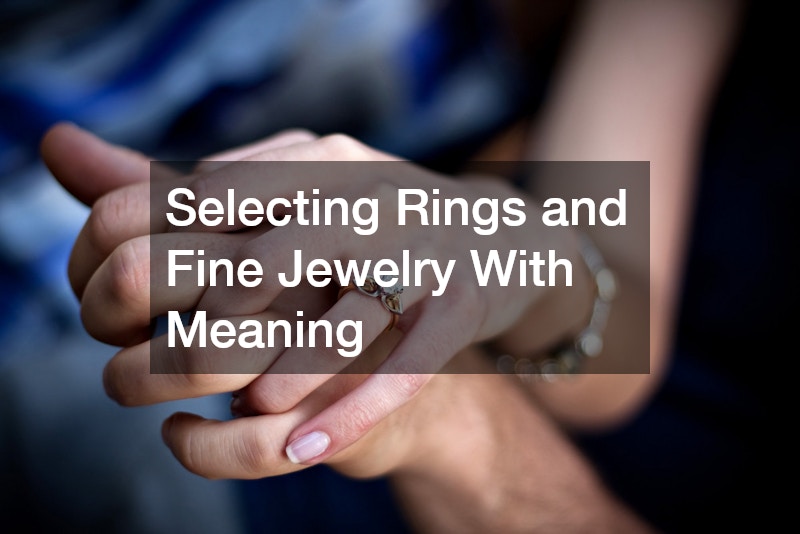
The rings you choose carry symbolic weight, and shopping for them should feel like a personal experience rather than a rushed transaction. When browsing for an engagement ring, think beyond current trends and consider stone shapes, metals, and settings that feel true to your partner’s everyday style. Visiting a few different jewelry stores before deciding allows you to compare craftsmanship, pricing, and design options so you can make a confident, informed choice.
Wedding bands and any accompanying jewelry for the ceremony deserve the same thoughtful approach. Many couples now choose mixed metals, colored stones, or heirloom pieces reset into new designs to keep sentimental value alive while updating the look.
- Research metal durability if either partner has an active lifestyle
- Ask about warranty, resizing, and cleaning services when purchasing
- Consider custom engraving for a personal touch
- Compare insurance options for higher value pieces
Coordinating Beauty and Self Care Leading Up to the Big Day
Feeling confident on your wedding day often starts weeks in advance with a beauty routine that suits your natural style rather than a look copied from someone else. Many brides schedule a few sessions at a med spa in the months leading up to the wedding to address skin concerns, ensure even tone, and reduce stress through treatments like facials or massages. Starting early gives your skin time to respond and avoids last-minute breakouts or irritation from trying something new too close to the date.
Nail care is another detail that ties the overall look together, and many brides now opt for acrylic nails to achieve a polished, long-lasting finish that photographs well. Choosing a shape, length, and color that matches your personality, rather than simply following a trend, will make your hands look and feel like an extension of your personal style throughout the celebration.
- Book trial sessions for hair, makeup, and nails before the actual day
- Start skincare routines at least two to three months in advance
- Choose treatments that require little to no downtime close to the wedding
- Communicate allergies or sensitivities to any specialist you visit
Capturing the Day Through Photography and Film
Photography and videography are among the few wedding investments that outlast the day itself, making it worth the time to find a style that truly represents you. When researching wedding photography, look at full galleries rather than curated highlight reels to understand how a photographer handles candid moments, lighting, and posing. Some couples prefer documentary style coverage that captures raw emotion, while others want more classic, posed portraits, so clarify your preference early in the vendor search.
Meeting your photographer in person or over video call before booking can reveal a lot about compatibility, since you will be spending significant time with this person on your wedding day. A good working relationship often results in more natural, relaxed photos because you feel comfortable in front of the camera.
- Ask to see a full wedding gallery, not just highlights
- Discuss timeline and coverage hours before signing a contract
- Clarify how many edited images you will receive and when
- Consider a second shooter for larger guest lists
Arranging Transportation That Fits Your Vibe

Transportation is often an afterthought, but it can add a distinctive touch to your wedding day while also solving logistical challenges. Booking a limo rental gives you a classic, comfortable way to travel between the ceremony and reception, and many companies offer vehicles in styles ranging from vintage to modern to match your overall theme. Beyond aesthetics, arranging transportation for the wedding party also reduces stress and keeps the schedule running smoothly.
If a traditional limousine does not match your style, there are plenty of alternative options worth considering, from classic cars to trolleys to even bicycles for a more casual celebration. Whatever you choose, confirm timing and routes well in advance to avoid delays on the big day.
- Book transportation at least three to six months in advance for peak season
- Confirm capacity if the entire wedding party will ride together
- Ask about backup vehicles in case of mechanical issues
- Map out routes ahead of time to account for traffic patterns
Preparing for Life After the Wedding
Once the celebration ends, a few practical steps will help preserve the memories and investments you made throughout the planning process. Scheduling wedding dress cleanings soon after the event helps prevent stains from setting into the fabric, especially from food, drink, or grass exposure during outdoor photos. Many preservation specialists also offer specialized boxing or storage options that protect the dress for decades if you plan to pass it down or keep it as a keepsake.
Beyond the dress, take time to organize other keepsakes like invitations, programs, and small decor items that meant something to you during planning. Creating a simple memory box or album shortly after the wedding makes it easier to revisit these details fondly in years to come.
- Send dresses for cleaning within a few weeks of the wedding
- Ask about preservation boxes that protect against yellowing
- Store cleaned garments away from direct sunlight and humidity
- Keep a small box of sentimental paper items from the planning process
Adding Personal Touches Through Language and Culture
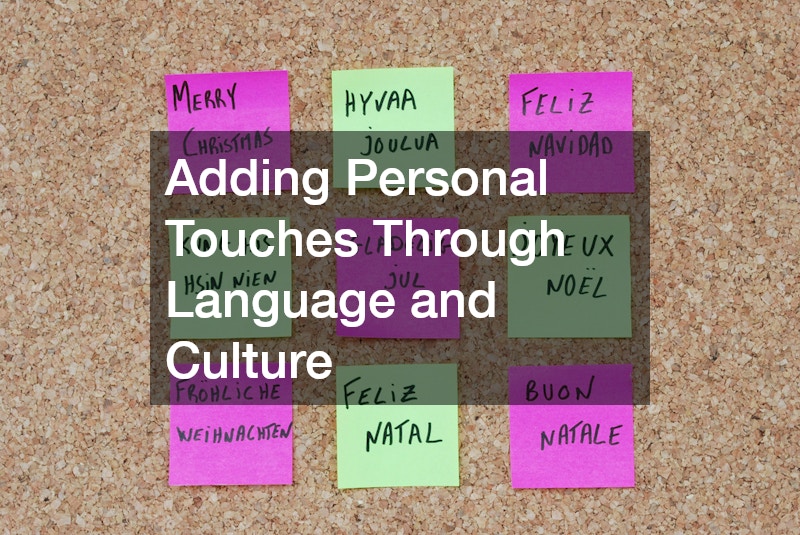
If you or your partner have ties to another culture or language, weaving that into the wedding can create a deeply personal and memorable experience for everyone involved. Some couples choose to include vows or toasts in a second language, and taking French classes in Singapore or a similar course in your area beforehand can help you deliver a meaningful, well-pronounced tribute to family heritage. This kind of detail often becomes one of the most talked-about moments of the reception.
Cultural touches do not need to be limited to language. Music, food, attire details, or ceremonial customs from your background can all be incorporated thoughtfully alongside more conventional wedding elements, creating a blended celebration that honors where you come from.
- Involve family members who can help explain or lead cultural traditions
- Practice any spoken elements well before the wedding day
- Blend traditions respectfully rather than treating them as decoration
- Ask your officiant if they can accommodate multilingual elements
A wedding that reflects your true style does not happen by accident; it happens through intentional choices made at every stage of planning. Start with your shared aesthetic, then let that vision guide your attire, food, beauty routine, and every vendor you bring on board. Take the time to research and meet with professionals whose work aligns with your vision rather than settling for convenience. When you approach each decision with your authentic selves in mind, the result is a celebration that feels less like a template and more like a true reflection of your relationship.